
Kling 3.0 vs Seedance 2.0: Which AI Video Model Wins in High-End Production?
We are finally past the novelty phase of AI video. For indie filmmakers and commercial directors, the question is no longer “Can AI make a video?” but rather, “Can this tool survive the pressure of a real production pipeline?”
Kling 3.0 and Seedance 2.0 are often treated interchangeably in casual creator circles. They shouldn’t be. After extensive hands-on testing with both models across product shots, character entrances, and environmental walkthroughs, I found that they operate on completely different creative philosophies.
If you want a deeper dive into Kling’s overarching capabilities before we start, check out my full Kling Video 3.0 Omni Review.
🔹 The Bottom Line Up Front
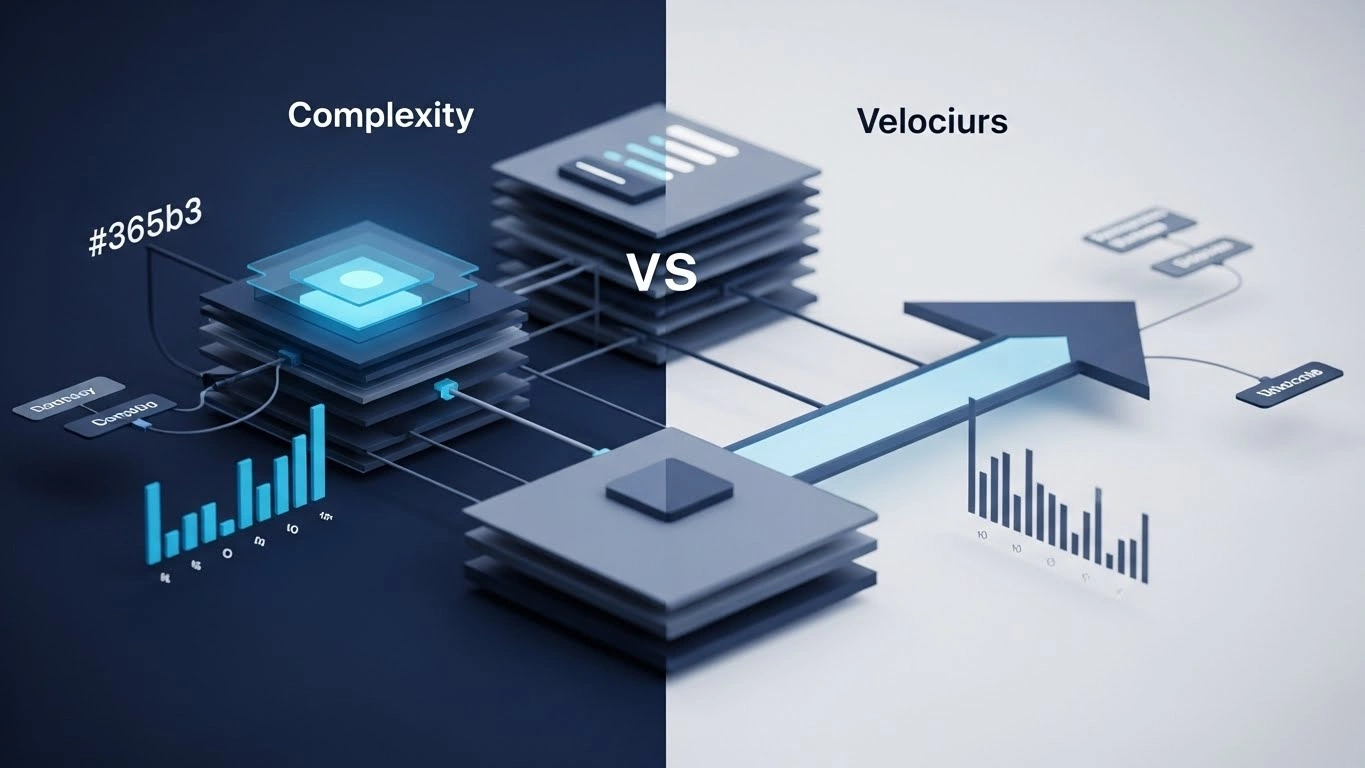
Choose Seedance 2.0 if you are directing a narrative film or client campaign where scene continuity, exact color matching, and native lip-sync are non-negotiable.
Choose Kling 3.0 if you are producing high-octane, kinetic content where speed, dynamic camera movement, and rapid daily volume outweigh strict identity retention.
Key Takeaways for Filmmakers
- ✅ Different Workflows: Seedance acts like a meticulous digital cinematographer; Kling acts like a high-speed action director.
- ✅ Audio Integration: Seedance features native phoneme-level lip sync and beat-sync natively. Kling focuses purely on dialogue.
- ✅ Pricing Models Dictate Pace: Seedance’s pay-per-generation model forces deliberate prompting. Kling’s daily subscription credits encourage rapid trial-and-error.
- ✅ Prompt Language: Seedance demands structured shot lists; Kling responds exceptionally well to conversational input.
Which AI Video Generator is Better for Narrative Filmmaking?
Seedance 2.0 is the superior choice for narrative filmmaking. It prioritizes tonal stability, precise color reproduction, and scene coherence.
This allows directors to string together multiple shots without losing character identity or lighting continuity.
When I tested Seedance 2.0 by rendering a 15-second environmental walkthrough of a dimly lit art studio, I was genuinely impressed by its temporal stability. The wood grain on the tables and the fabric textures maintained coherence frame after frame without the micro-flicker that usually plagues AI generations.
However, I did notice the rendering time was noticeably slower than Kling. Because it operates on a pay-per-generation model, you have to be highly intentional. You cannot just throw a vague idea at the prompt box and hope for the best.
Introducing Seedance 2.0: Next-Gen Ad Creation in Zeely
— Zeely AI (@zeely_ai) February 24, 2026
🔴 Red pill: paying agencies
🔵 Blue pill: building ads with AI
For the next 12 hours: retweet, like, and comment “ZEELY” — we’ll DM you 1,000 free credits. pic.twitter.com/5P6BIVSw4j
Seedance 2.0: The Pros and Cons
✅ The Good
- Strong identity retention across multiple shots.
- Cinematic lighting and natural skin tone rendering.
- Native phoneme-level lip sync and beat-sync support.
- Predictable behavior during minor revision prompts.
❌ The Bad
- Noticeably slower rendering pipeline.
- Motion energy feels restrained in action scenes.
- Requires a steep learning curve with structured filmmaking terminology.
Kling 3.0: Built for Speed and Kinetic Energy
If Seedance requires the patience of a cinematographer, Kling 3.0 feels like it was handed a steady-cam and an energy drink.
Kling is engineered purely for dynamic motion and rapid iteration. In my side-by-side action tests, Kling consistently delivered much more convincing physical momentum. When I prompted a running character with a fast camera pan, the spatial logic held up remarkably well.
Honestly, though, the minor identity drift in Kling was a bit frustrating. When trying to stitch together a short sequence, my lead character’s hair positioning and jacket collar kept changing subtly between cuts.
Kling 3.0 does everything in one place — all-in-one truly means all. Directing is no longer exclusive; it’s for everyone now. The realism and live-action texture surpass any model I’ve tested — every generation feels like a finished film narrative. pic.twitter.com/O47GWoxiY3
— Freya Lawson (@Freyabuilds) February 14, 2026
Kling 3.0: The Pros and Cons
✅ The Good
- Superior motion realism and forward energy.
- Incredibly fast rendering speeds.
- Conversational, beginner-friendly prompting.
- Subscription model favors high-volume daily workflows.
❌ The Bad
- Scene continuity and identity drift require heavy oversight.
- Lacks native beat-sync for music-driven edits.
- Fewer granular lighting controls compared to Seedance.
How to A/B Test These Models Yourself
You shouldn’t just take my word for it. The best way to evaluate these tools is to run a controlled A/B test in your own timeline.
When doing this, keep your variables strict. Use the exact same aspect ratio, duration, and reference image. Most importantly, use the same seed if the platform supports it.
For example, try a “Character Entrance” test: prompt a person walking into warm evening light, pushing from a medium shot to a close-up. Score the footage on facial identity retention before you factor in the cost.
⚙️ The Final Verdict
Mixing these tools is often the most practical approach. You can use Kling to generate first-pass drafts quickly, and then switch to Seedance to lock in continuity for the final render.
🎬 Seedance 2.0
Rating: ⭐⭐⭐⭐½ (4.5/5)
Best For: Indie filmmakers, brand campaigns, and music-driven editors needing strict continuity.
Not For: Rapid social media managers needing dozens of quick clips daily.
⚡ Kling 3.0
Rating: ⭐⭐⭐⭐½ (4.5/5)
Best For: Digital marketers, solo creators, and producers focusing on action-heavy visuals.
Not For: Long-form narrative films requiring exact wardrobe and facial locking across multiple scenes.
Frequently Asked Questions
1. Does Kling 3.0 or Seedance 2.0 have better lip-sync capabilities?
Seedance 2.0 has superior audio tools, offering native phoneme-level lip sync and beat-synced motion. Kling 3.0 focuses primarily on dialogue but lacks native beat-sync for music.
2. Which AI video generator is cheaper for daily use?
Kling 3.0 operates on a subscription model with daily credit allocations, making it more cost-effective for high-volume daily generation. Seedance uses a pay-per-generation model, which is better for burst usage but can get expensive for rapid trial-and-error.
3. Why do characters change appearance in AI video?
This is known as "identity drift." Kling 3.0 occasionally suffers from minor identity drift across long sequences. Seedance 2.0 is specifically optimized to prevent this, holding facial structure and wardrobe details tightly across multiple shots.
4. Can beginners use Seedance 2.0?
Beginners can use Seedance, but it requires a moderate learning curve. It performs best when users prompt with structured filmmaking vocabulary (like "medium shot pushing to close-up"). Kling 3.0 is much more beginner-friendly with conversational prompting.
5. Are both AI models capable of 1080p output?
Yes, both Kling 3.0 and Seedance 2.0 produce similar clip lengths and are capable of rendering high-quality 1080p output.