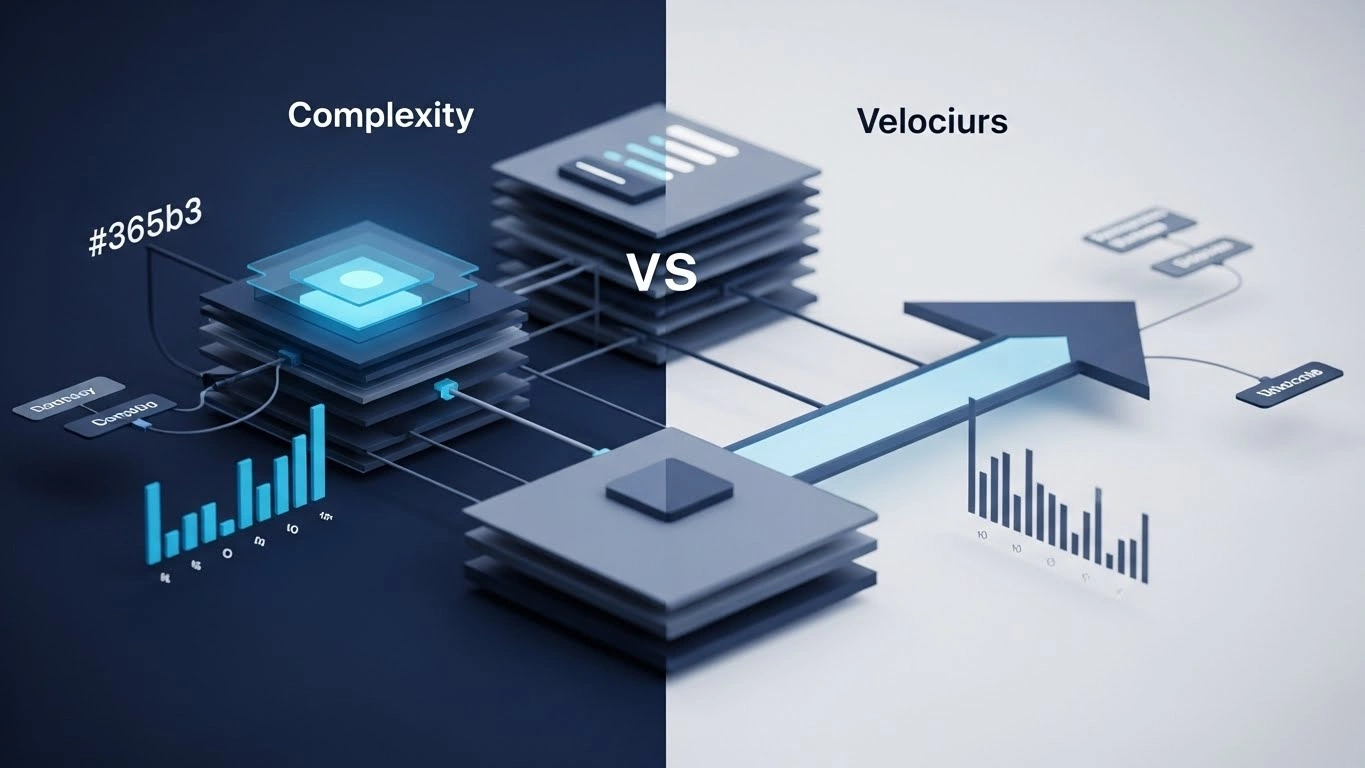
Kling 3.0 vs Seedance 2.0 vs Higgsfield AI: The Ultimate Production Showdown
We are finally past the novelty phase of AI video. For indie filmmakers, commercial directors, and digital marketers, the question is no longer “Can AI make a video?” but rather, “Which ecosystem can survive the pressure of a real production pipeline?”
Recently, the conversation has shifted. We aren’t just comparing raw video models like Kling 3.0 and Seedance 2.0 anymore; we are now seeing the rise of “AI Studios” like Higgsfield AI, which act as a cinematic brain layer over top of these models.
If you want a deeper dive into Kling’s overarching capabilities before we start, check out my full Kling Video 3.0 Omni Review. Otherwise, let’s explore how these three heavyweights stack up in real-world workflows.
🔹 The Bottom Line Up Front
Choose Seedance 2.0 if you are directing a narrative film where precise scene continuity, exact color matching, and native lip-sync are non-negotiable.
Choose Kling 3.0 if you are producing high-octane, kinetic content where speed, dynamic camera movement, and rapid daily volume outweigh strict identity retention.
Choose Higgsfield AI if you are a marketer or creator who wants a full “studio dashboard.” It uses GPT-5 to translate your vague ideas into technical prompts, routing them automatically to models like Sora 2 or Kling to create ready-to-publish ads.
1. Seedance 2.0: The Digital Cinematographer
Seedance 2.0 is the superior choice for narrative filmmaking. It prioritizes tonal stability, precise color reproduction, and scene coherence.
When I tested Seedance 2.0 by rendering a 15-second environmental walkthrough of a dimly lit art studio, I was genuinely impressed by its temporal stability. The wood grain on the tables maintained coherence frame after frame without the micro-flicker that usually plagues AI.
However, the rendering time is noticeably slow. Because it operates on a pay-per-generation model, you have to be highly intentional. You cannot just throw a vague idea at the prompt box; Seedance demands structured, technical filmmaking language to thrive.
Introducing Seedance 2.0: Next-Gen Ad Creation in Zeely
— Zeely AI (@zeely_ai) February 24, 2026
🔴 Red pill: paying agencies
🔵 Blue pill: building ads with AI
For the next 12 hours: retweet, like, and comment “ZEELY” — we’ll DM you 1,000 free credits. pic.twitter.com/5P6BIVSw4j
Seedance 2.0: Pros and Cons
✅ The Good
- Strong identity retention across multiple shots.
- Native phoneme-level lip sync and beat-sync support.
- Predictable behavior during minor revision prompts.
❌ The Bad
- Noticeably slower rendering pipeline.
- Requires a steep learning curve with structured terminology.
2. Kling 3.0: Built for Speed and Kinetic Energy
If Seedance requires the patience of a cinematographer, Kling 3.0 feels like it was handed a steady-cam and an energy drink.
In my side-by-side action tests, Kling consistently delivered much more convincing physical momentum. When I prompted a running character with a fast camera pan, the spatial logic held up remarkably well. It is incredibly fast and responds beautifully to conversational, beginner-friendly prompts.
Honestly, though, the minor identity drift in Kling was a bit frustrating. When trying to stitch together a short sequence, my lead character’s hair positioning and jacket collar kept changing subtly between cuts.
Kling 3.0 does everything in one place — all-in-one truly means all. Directing is no longer exclusive; it’s for everyone now. The realism and live-action texture surpass any model I’ve tested — every generation feels like a finished film narrative. pic.twitter.com/O47GWoxiY3
— Freya Lawson (@Freyabuilds) February 14, 2026
Kling 3.0: Pros and Cons
✅ The Good
- Superior motion realism and forward energy.
- Incredibly fast rendering speeds.
- Subscription model favors high-volume daily workflows.
❌ The Bad
- Scene continuity requires heavy oversight.
- Small prompt tweaks can cause volatile, massive stylistic shifts.
3. Higgsfield AI: The Automated AI Studio
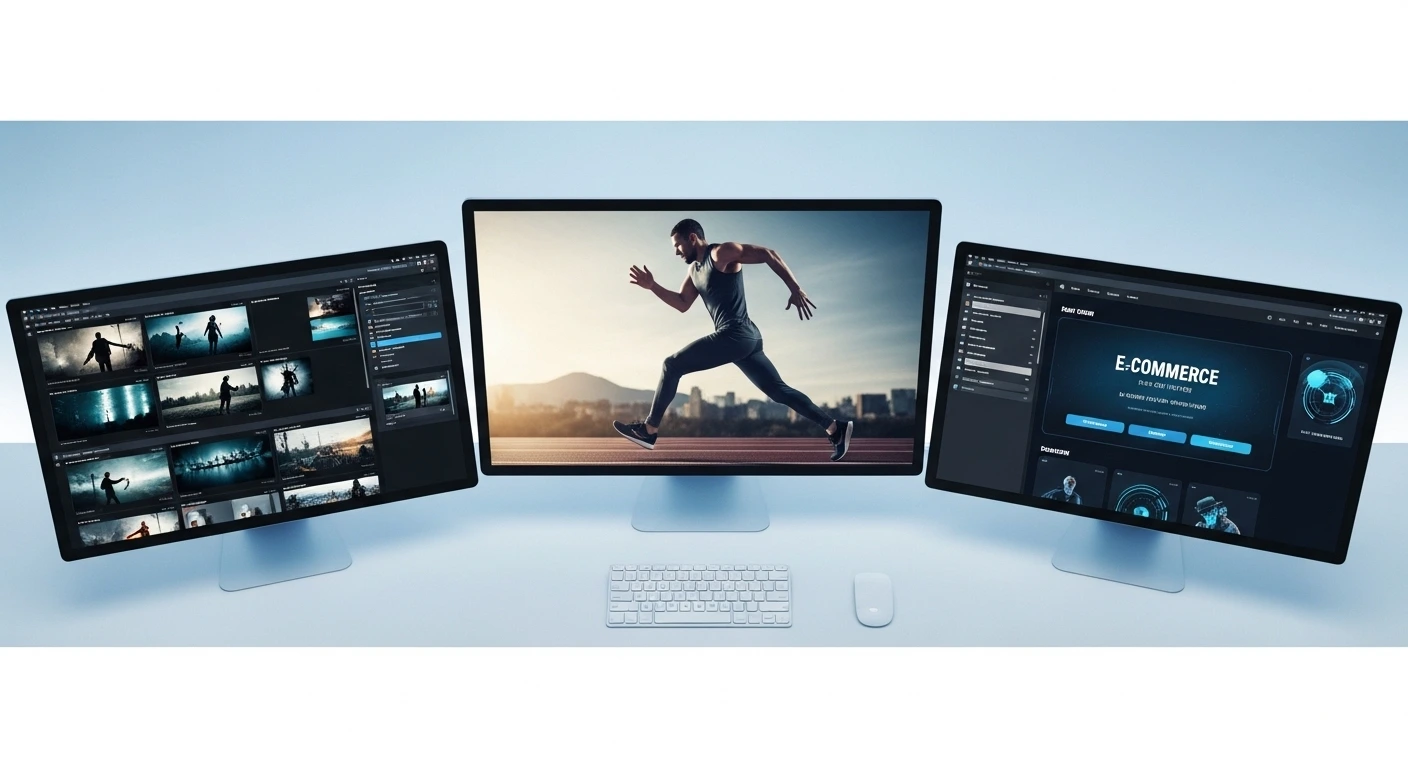
Here is the thing about Higgsfield AI: it is not just a standalone model. It is a generative multimedia platform that acts as a “brain” over top of existing models like Sora 2, Kling 2.6, and Seedance 1.5 Pro.
The core philosophy of Higgsfield is that creators rarely describe what a model actually *needs*—they describe what they want to *feel* (e.g., “Make this look premium”). Higgsfield uses a “cinematic logic layer” powered by OpenAI’s GPT-4.1 mini and GPT-5 to intercept your prompt, deduce the narrative arc, and write the complex technical instructions for the video model to execute.
When I tested the Click-to-Ad feature, I was blown away. I pasted a product page URL, and GPT-4.1 extracted the brand intent, mapped it to a viral template, and generated a highly polished ad in minutes. However, it’s not perfect. In my experience, if you push the models to do highly complex, abstract actions, the motion quality breaks down significantly (I’d rate complex motion consistency a 3.6/10). It really prefers shorter, 10-15 second formats.
Created my first film with Higgsfield AI. 😍 @higgsfield_ai #HiggsfieldAction #HiggsfieldCinema pic.twitter.com/8UtjO0TcpR
— Kadir KARA (@kdrkara) February 15, 2026
Higgsfield AI: Pros and Cons
✅ The Good
- Click-to-Ad: Turns a simple URL into a formatted social media ad.
- Automated Routing: Uses GPT-5 to route tasks to the best underlying model (Sora 2, Kling, etc.).
- Features a full “Cinema Studio” with camera angle presets and Face Swap.
❌ The Bad
- Motion consistency struggles heavily with complex, abstract actions.
- Limited to shorter formats (10-15 seconds) before visual instability occurs.
⚙️ The Final Verdict
Your choice dictates your workflow. If you want hands-on control, choose Seedance or Kling. If you want an AI to act as your agency and do the technical thinking for you, choose Higgsfield.
🎬 Seedance 2.0
Best For: Indie filmmakers needing strict continuity and native audio sync.
⚡ Kling 3.0
Best For: Solo creators focusing on action-heavy visuals and raw motion energy.
🧠 Higgsfield AI
Best For: E-commerce brands and marketers wanting automated "URL-to-Video" pipelines.
Frequently Asked Questions
1. Is Higgsfield AI its own video model like Kling or Sora?
No, Higgsfield AI is a generative multimedia platform. It acts as an orchestrator, using OpenAI's GPT-4.1 mini and GPT-5 to interpret your goals, and then automatically routes the task to underlying models like Sora 2, Kling 2.6, or Seedance 1.5 Pro to generate the actual footage.
2. Does Kling 3.0 or Seedance 2.0 have better lip-sync capabilities?
Seedance 2.0 has superior audio tools, offering native phoneme-level lip sync and beat-synced motion natively. Kling 3.0 focuses primarily on dialogue but lacks native beat-sync for music-heavy edits.
3. Which AI video generator is best for marketing agencies?
Higgsfield AI is arguably the best for marketing workflows. Its "Click-to-Ad" feature allows you to paste a product URL, which the AI then analyzes to automatically generate a viral-ready video ad with a 150% higher share speed than standard models.
4. Why do characters change appearance in AI video?
This is known as "identity drift." Kling 3.0 occasionally suffers from minor identity drift across long sequences. Seedance 2.0 is specifically optimized to prevent this, holding facial structure and wardrobe details tightly across multiple shots.
5. Can beginners use these AI tools?
Yes, but they cater to different levels. Kling 3.0 is highly conversational. Higgsfield AI removes the prompt barrier entirely by using GPT-5 to write the prompt for you. Seedance 2.0 requires the steepest learning curve, demanding structured filmmaking vocabulary.